+86-13416307598 | +86 020 2262 6603 | inquiry@pearltransformer.com

English 
Views: 0 Author: Site Editor Publish Time: 2026-02-12 Origin: Site
Feature | Traditional Transformers | Automatic Power Reduction Technology |
|---|---|---|
No-load losses | ~5% | <2% |
Energy savings potential | N/A | 15–25% reduction |
Load balancing efficiency | Poor | Improved |
Selecting the right system ensures reliable performance and future-proofing for critical infrastructure.
Focus on energy efficiency when selecting power systems. Automatic power reduction technology can reduce no-load losses to less than 2%.
Consider the adaptability of your power system. Integrating advanced technologies ensures long-term reliability and efficiency.
Regular maintenance and smart monitoring are crucial. They enhance transformer performance and extend equipment lifespan.
Evaluate load characteristics before selecting transformers. Understanding voltage and power capacity needs is essential for optimal performance.
Choose transformers with automatic power reduction features. This technology can lead to energy savings of 15-20% and lower operational costs.
Ensure proper circuit breaker matching. This prevents unnecessary outages and protects transformers from damage.
Stay informed about regulatory updates. Compliance with safety standards is vital for the successful operation of power systems.
Plan for future scalability. Select systems that can adapt to rising energy demands and integrate with emerging technologies.
Selecting the right power system in 2026 requires a strategic approach. Industry experts emphasize several critical factors that influence power system selection. Utilities and facility managers must consider these elements to ensure reliability, efficiency, and future readiness:
Reshoring, diversification, and reservations: Utilities are expanding domestic production capacity and diversifying suppliers to strengthen supply resilience.
Deploying grid-enhancing technologies (GETs): Integrating advanced technologies into resource plans unlocks additional capacity and improves operational efficiency.
Leveraging sandboxes for modular innovation: Regulatory frameworks now allow rapid testing of new solutions, accelerating innovation in power systems.
These factors shape the landscape for power system selection. Decision-makers must evaluate not only technical specifications but also the adaptability of their infrastructure. The ability to integrate new technologies and respond to market changes ensures long-term value.
The power transformer stands at the core of every modern power system. Its function extends beyond voltage conversion. The high-voltage power transformer enables efficient long-distance transmission by stepping up voltage, which reduces energy losses. At the distribution point, the substation power transformer steps down voltage for safe delivery to homes and businesses, protecting sensitive equipment from fluctuations.
Recent technical analyses highlight the impact of power transformers on overall system performance:
Evidence Description | Impact on Power System Performance |
|---|---|
Power transformers step up voltage for long-distance transmission, reducing energy losses. | Enhances efficiency in energy transmission. |
They step down voltage for safe use in homes, ensuring reliability. | Protects sensitive equipment from voltage fluctuations. |
Regular maintenance and advanced monitoring are essential for optimal performance. | Increases reliability and extends lifespan. |
Digital technology allows for real-time monitoring and predictive maintenance. | Reduces operational costs and improves grid reliability. |
Advanced sensors and data analytics help in early detection of potential failures. | Extends equipment lifespan and enhances efficiency. |
The high-voltage power transformer plays a vital role in grid stability. Substation power transformer selection must align with load requirements and environmental conditions. Advanced models, such as those offered by leading providers, feature digital monitoring and automatic power reduction. These features support predictive maintenance and energy savings.
A robust power transformer strategy includes regular inspection and integration of smart technologies. The high-voltage power transformer with automatic power reduction, like those from Pearl Transformer, delivers superior efficiency and reliability. Substation power transformer solutions with advanced sensors and analytics extend equipment life and reduce operational costs.
Power system selection in 2026 depends on understanding these roles and leveraging the latest innovations. The right high-voltage power transformer and substation power transformer ensure safe, efficient, and future-proof operations.
Digitalization is reshaping the power industry. Smart grids now use advanced technologies to manage electricity demand and improve grid resilience. Artificial Intelligence (AI) and the Internet of Things (IoT) play a central role in this transformation. These tools enable real-time monitoring, predictive analytics, and automated control, which enhance both efficiency and safety. The following table summarizes the impact of key technologies on smart grids:
Technology | Impact on Smart Grids |
|---|---|
Artificial Intelligence (AI) | Enhances Demand Response strategies through improved prediction and optimization of energy consumption. |
Internet of Things (IoT) | Facilitates real-time monitoring and automated control, improving efficiency and sustainability. |
Blockchain | Enables decentralized energy trading platforms and peer-to-peer transactions, enhancing trust. |
Digital Twin (DT) | Aids in simulating energy scenarios and optimizing consumption in smart grids. |
The integration of AI and IoT leads to more autonomous grid operations. Smart grids can now self-heal and predict issues with minimal human intervention. Decentralized energy systems, including microgrids, are becoming essential for local resilience and renewable energy integration. Pearl Transformer’s digital-ready solutions support these advancements, ensuring seamless integration with modern grid infrastructure.
Efficiency and sustainability drive innovation in power system technology. Advanced monitoring systems and predictive maintenance tools reduce downtime and operational costs. Integrating renewable energy sources, such as solar and wind, improves power quality and helps meet sustainability goals. Diversifying energy sources, including both renewable and nonrenewable, maintains reliability and efficiency in power generation. Energy storage systems stabilize the grid by capturing excess energy during peak production, ensuring a consistent supply.
Advanced monitoring and predictive maintenance enhance operational efficiency.
Renewable energy integration supports sustainability and grid reliability.
Diversified energy sources ensure stable power generation.
Energy storage systems provide grid stability and flexibility.
Pearl Transformer’s product lines, including Cast Resin Dry Type Transformer Up to 30MVA, 66kV、Oil-immersed Power Transformer Up to 150MVA, 220kV、Pad-mounted Transformer Up to 10MVA, 40.5Kv、Compact Substation Transformer Up to 10MVA, 40.5kV, are designed to maximize efficiency and support sustainability initiatives. These solutions help facilities meet rising electricity demand while maintaining high safety standards.

Regulatory changes and safety requirements shape power system selection and operation. Facilities must audit their Electrical Safe Work Practices (ESWP) Policy every three years to comply with current safety standards. An arc flash risk assessment is mandatory to identify hazards and determine protective measures, as outlined by NFPA 70E-2018. The hierarchy of risk control methods prioritizes eliminating hazards over relying on personal protective equipment, reinforcing a culture of safety.
Battery energy storage systems require permits and approvals, with a focus on land use and environmental impacts. Environmental impact assessments evaluate potential effects on air, water, and noise pollution before construction. Waste management regulations now address the safe disposal and recycling of used batteries, emphasizing compliance and safety.
The regulatory landscape for battery storage systems continues to evolve. Stakeholders must monitor changes and update compliance practices regularly. Environmental regulations dictate where battery energy storage systems can be placed and require community involvement in planning. Regular monitoring and community discussions ensure responsible management and safety for all stakeholders.
Note: Staying informed about regulatory updates and prioritizing safety in every aspect of power system design and operation is essential for long-term success.
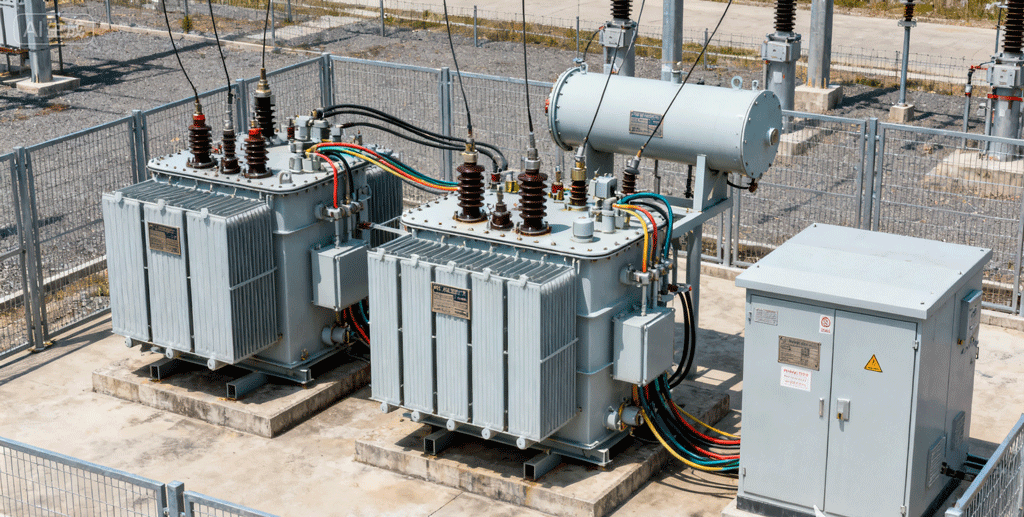
Automatic power reduction refers to an advanced transformer feature that dynamically adjusts the transformer's power output in response to real-time load conditions. This technology enables the transformer to minimize energy losses, especially during periods of low demand. In modern power systems, automatic power reduction has become essential for achieving operational efficiency and cost savings. The process involves sophisticated sensors and control algorithms that monitor load levels and optimize transformer performance accordingly.
Recent engineering literature describes automatic power reduction as a transformative approach for voltage regulation and energy management. Key characteristics include:
The use of autotransformers for step-up or step-down voltage regulation, which enhances efficiency and current capacity.
Reduced transformer size and improved voltage regulation compared to traditional isolation transformers.
Enhanced operational efficiency due to lower circulating currents and better utilization of transformer capacity.
Automatic power reduction supports the transition to smart grids and digitalized infrastructure. Facilities that implement this technology experience significant improvements in energy management and system reliability.
Automatic power reduction relies on continuous load sensing and intelligent control mechanisms. Advanced sensors embedded within the transformer monitor the electrical load in real time. When the system detects a drop in demand, such as when the load falls below 50%, the transformer automatically reduces its power output. This action minimizes no-load losses and prevents unnecessary energy consumption.
The control system uses smart algorithms to determine the optimal operating point for the transformer. By adjusting the magnetic flux and core excitation, the transformer maintains high efficiency across varying load conditions. This process ensures that the transformer only consumes the energy required for the actual load, reducing waste and extending equipment life.
Integration with smart monitoring platforms elevates the effectiveness of automatic power reduction. These platforms collect and analyze data from multiple sensors, providing operators with real-time insights into transformer performance. Predictive analytics identify trends and potential issues before they escalate, enabling proactive maintenance and reducing downtime.
Smart monitoring also facilitates seamless communication between the transformer and other grid components. This interoperability supports coordinated energy management strategies, such as demand response and network automation. Pearl Transformer’s solutions, for example, offer robust smart monitoring features that enhance the value of automatic power reduction in both indoor and outdoor applications.
Automatic power reduction delivers measurable financial and operational benefits for power system stakeholders. Facilities that deploy this technology report substantial energy savings, often in the range of 15–20%. These savings result from the transformer's ability to minimize no-load losses and optimize energy usage during periods of low demand.
A comparison of key benefits highlights the value of automatic power reduction:
Benefit | Description |
|---|---|
Monetary Savings | Substantial savings through demand response and network automation in transformer capacity management. |
Optimal Capacity Planning | Improved planning of substation transformers leading to reduced outage costs. |
Enhanced Efficiency | Better utilization of transformer capacity through smart grid features. |
Data centers and industrial facilities have documented annual cost reductions exceeding $100,000 after implementing automatic power reduction. These outcomes demonstrate the technology’s potential to transform operational budgets and support long-term sustainability goals.
Automatic power reduction enhances the reliability and lifespan of power transformers. By operating only at the required capacity, the transformer experiences less thermal and mechanical stress. This reduction in stress lowers the risk of insulation failure and extends the service life of critical components.
Smart monitoring integration further supports reliability by enabling early detection of anomalies. Maintenance teams can address issues proactively, minimizing unplanned outages and ensuring continuous operation. Pearl Transformer’s product lines, including the SCB13 and S11 series, exemplify these advantages by combining automatic power reduction with advanced monitoring and robust design.
Tip: Selecting a transformer with automatic power reduction not only reduces operational costs but also strengthens the resilience of your power system. This approach aligns with industry best practices for future-proofing critical infrastructure.
Automatic power reduction stands as a cornerstone of modern power system design. Facilities that prioritize this feature position themselves for greater efficiency, lower costs, and enhanced reliability in the evolving energy landscape.
Selecting the right power transformer begins with a thorough assessment of application requirements. Each industrial or commercial project presents unique demands that influence transformer selection. The following factors play a critical role in this process:
Voltage requirements determine the type of step-up power transformer or step-down power transformer needed for the system.
Power capacity must align with the expected load, especially in facilities with high energy consumption.
Installation environment, including whether the transformer will be placed indoors or outdoors, impacts the choice between dry-type and oil-immersed power transformer models.
Operational costs and maintenance expectations influence long-term reliability and budget planning.
A detailed analysis of load characteristics ensures the three-phase power transformer can handle peak and fluctuating demands. Installation space, ambient temperature, and exposure to dust or moisture also affect transformer performance. For example, a step-up power transformer in a solar farm requires robust protection against weather, while a step-down power transformer in a data center must fit within limited indoor space. Proper installation planning reduces risks and supports efficient operation.
Understanding the differences between dry-type and oil-immersed power transformer designs is essential for optimal installation. The table below highlights key attributes:
Attribute | Dry-Type Transformers | Oil-Immersed Transformers |
|---|---|---|
Efficiency | Generally lower efficiency, but suitable for smaller kVA applications. | Higher efficiency, especially in larger kVA applications. |
Safety | Excellent fire resistance and safer for indoor use. | Higher risk of fire and environmental hazards due to oil. |
Maintenance Needs | Minimal maintenance required, mainly cleaning and inspections. | Requires regular maintenance for oil levels and quality checks. |
Dry-type transformers are preferred for indoor installation due to their fire resistance and minimal maintenance. Oil-immersed power transformer units offer higher efficiency and are better suited for outdoor installation, where larger capacity and robust performance are required. The three-phase power transformer configuration is common in both types, supporting balanced load distribution in industrial and commercial settings.
Amorphous Alloy Energy-Saving Dry-Type Transformer
Featuring amorphous alloy core technology, this transformer reduces no-load loss by 70% compared to conventional models.
Its fully encapsulated epoxy resin design resists moisture and dust, while the oil-free construction eliminates fire risks. Perfect for efficiency-critical applications.
Applications: Ideal for commercial centers, data centers, hospitals, and schools requiring 24/7 power with maximum energy savings
—especially in Middle Eastern cities with high electricity costs and grid fluctuations
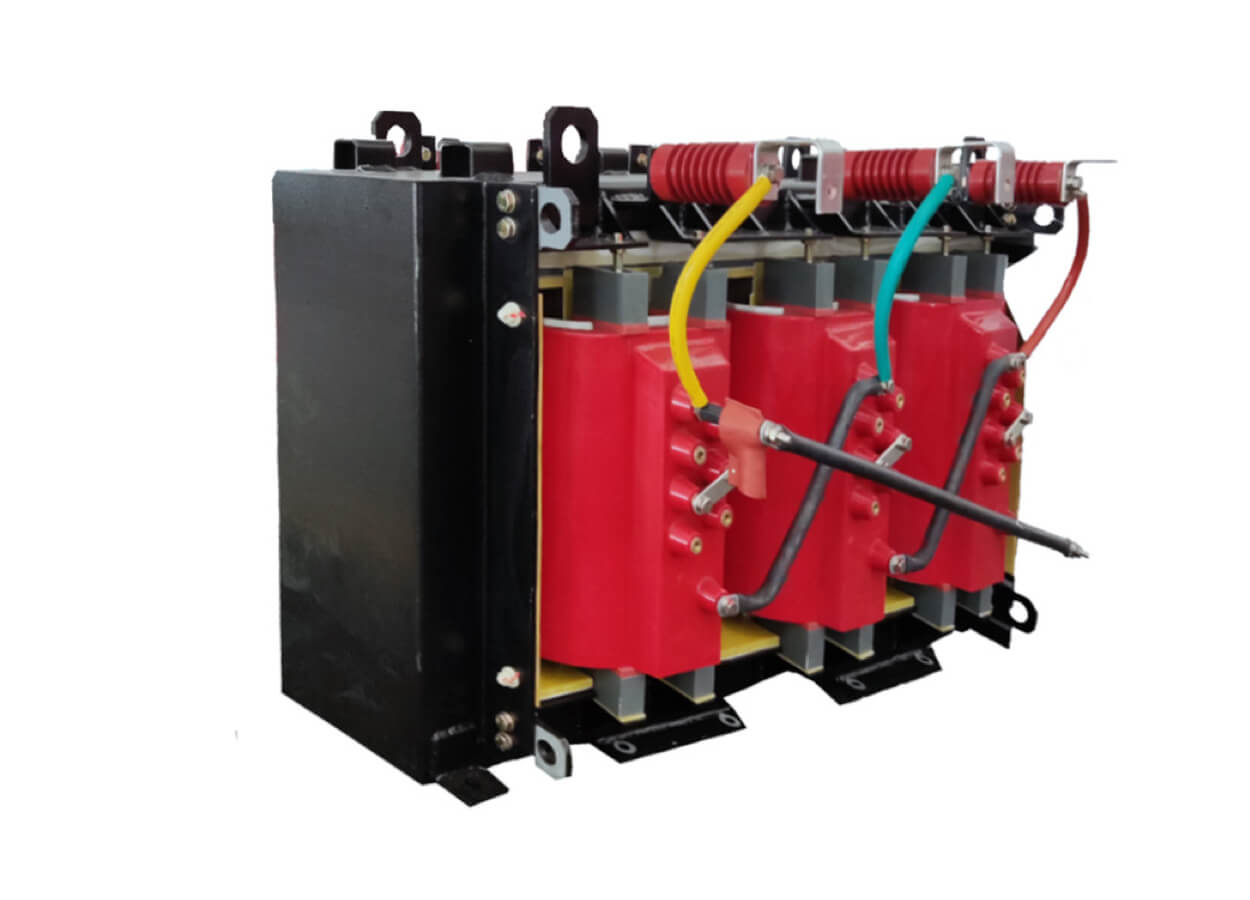
Modern power transformer selection must include a review of automatic power reduction features. Yawei’s Transformer with Automatic Power Reduction integrates advanced sensors and smart algorithms to optimize energy usage. This technology detects real-time load changes and adjusts output, reducing no-load losses and operational costs. Facilities benefit from energy savings, improved reliability, and extended equipment life.
When evaluating a step-up power transformer or step-down power transformer, consider how automatic power reduction aligns with installation requirements and load profiles. The SCB13 and S11 series both offer this capability, making them suitable for a wide range of applications. Pearl Transformer’s commitment to innovation ensures that each three-phase power transformer delivers maximum value, safety, and efficiency for every installation.
Tip: Always match the power transformer’s automatic power reduction features to your facility’s operational patterns and installation environment for optimal performance.
Proper sizing and specification of power transformers form the foundation of a reliable and efficient power system. Engineers and facility managers must follow industry best practices to ensure that transformers meet both current and future operational demands. Selecting the right transformer involves more than just matching voltage and capacity. It requires a systematic approach that considers technical, environmental, and economic factors.
The following table summarizes the most critical technical elements for transformer sizing and specification:
Technical Element | Key Considerations | Impact |
|---|---|---|
Standardized Sizing | Round up to the next available standard size after calculations. | Ensures compatibility with industry standards and future load growth. |
Technical Vetting | Confirm voltage ratings, tap changers, and impedance. | Ensures system performance and safety. |
Efficiency Class | Comply with energy efficiency standards and perform Life Cycle Cost Analysis. | Affects operational costs and long-term savings. |
A structured process helps avoid costly mistakes and ensures long-term reliability. The following checklist outlines the recommended steps for sizing and specifying a power transformer:
Collect full load data for all connected equipment, including kW/kVA ratings and power factor.
Identify all motors and document their starting currents, as these can significantly impact transformer selection.
Record diversity factors and allow for future growth margins to accommodate load expansion.
Assess the presence of non-linear loads and harmonics, which may require specialized transformer designs.
Review protection requirements and ensure proper short-circuit coordination with upstream and downstream devices.
Tip: Always round up calculated transformer capacity to the next standard size. This practice ensures compliance with industry standards and provides flexibility for future load increases.
Technical vetting remains essential. Confirm voltage ratings, tap changer settings, and impedance values to match system requirements. Pearl Transformer’s products provide detailed technical documentation, making it easier for engineers to verify specifications and ensure seamless integration with existing infrastructure.
Efficiency class selection should not be overlooked. Choosing a transformer that meets or exceeds current energy efficiency standards can yield significant savings over the equipment’s lifecycle. Pearl Transformer’s commitment to high-efficiency designs supports sustainability goals and reduces total cost of ownership.

Circuit breaker matching is a critical process in power system design. It ensures that the circuit breaker and the power transformer work together to provide reliable protection and efficient operation. The circuit breaker must interrupt fault currents and protect the transformer from damage. Proper matching prevents unnecessary outages and extends equipment life.
Pearl Transformer emphasizes the importance of selecting the right circuit breaker for each power transformer. The process involves understanding the transformer's electrical characteristics and the demands of the installation environment. When these components are matched correctly, the system operates safely and efficiently. This approach reduces downtime and supports long-term reliability.
Selecting a circuit breaker for a power transformer requires careful consideration of several technical factors. Each criterion plays a role in ensuring system performance and safety. The following table summarizes the most important selection criteria and their descriptions:
Selection Criteria | Description |
|---|---|
Transformer power rating | Determines the required capacity of the circuit breaker based on the transformer's full load current. |
Primary and secondary voltage levels | Influences the rated voltage of the circuit breaker, which must meet or exceed system voltage. |
Transformer impedance | Affects fault current magnitude, requiring higher interrupting capacity for lower impedance transformers. |
Inrush current during energization | Circuit breaker must withstand high inrush current without tripping unnecessarily. |
Rated voltage | Must be compatible with system voltage to ensure proper insulation. |
Continuous current rating | Should be equal to or greater than the transformer's rated current for continuous operation. |
Short-circuit current interrupting capacity | Must safely clear faults based on maximum available fault current. |
Interrupting time | Faster times reduce thermal and mechanical stresses during faults. |
Trip settings and adjustability | Should be coordinated with other protective devices for proper protection and selectivity. |
Voltage and current ratings are the foundation of circuit breaker selection for any power transformer. The circuit breaker must have a voltage rating that matches or exceeds the system voltage. This ensures proper insulation and prevents electrical breakdown. The current rating must be equal to or greater than the transformer's rated current. This allows the breaker to handle continuous operation without overheating.
Pearl Transformer recommends verifying both primary and secondary voltage levels before finalizing the selection. This step guarantees compatibility and supports system safety. Accurate current rating selection also prevents nuisance tripping and ensures stable operation.
Inrush current occurs when a power transformer is energized. This surge can be several times higher than the normal operating current. The circuit breaker must withstand this inrush without tripping. If the breaker is not properly rated, it may disconnect the transformer unnecessarily, causing interruptions.
Engineers should analyze the expected inrush current for each installation. Pearl Transformer’s technical support team provides guidance on selecting breakers with appropriate inrush withstand capabilities. This attention to detail enhances safety and minimizes operational disruptions.
Integration with switchgear and Ring Main Units (RMUs) is essential for modern power systems. The power transformer, circuit breaker, and switchgear must function as a coordinated unit. This integration improves protection, simplifies maintenance, and enhances safety.
Pearl Transformer designs its products for seamless integration with leading switchgear and RMU solutions. Their transformers feature standardized connections and advanced monitoring interfaces. These features support automated protection schemes and remote diagnostics. Facilities benefit from faster fault isolation and reduced downtime.
Tip: Always consult with Pearl Transformer’s engineering team when planning integration. Their expertise ensures that each power transformer and circuit breaker combination meets the highest standards for safety and reliability.
Mistakes in circuit breaker matching can compromise the safety and reliability of power systems. Engineers and facility managers must recognize these pitfalls to ensure optimal performance and longevity. Pearl Transformer’s expertise in integrated solutions helps clients avoid these issues, supporting seamless operation across diverse environments.
The most frequent errors encountered during circuit breaker matching include:
Specifying the wrong type of circuit breaker technology. This mistake often results in inadequate protection for the transformer. For example, using a molded case circuit breaker instead of a vacuum or SF6 type may not provide the necessary interrupting capacity for high-voltage applications. Selecting the correct technology is essential for safeguarding equipment and maintaining compliance with industry standards.
Oversizing circuit breakers to prevent nuisance tripping. While it may seem prudent to choose a breaker with a higher rating, this approach can lead to delayed fault detection and increased risk of equipment damage. Proper sizing ensures that the breaker responds quickly to faults, minimizing downtime and preventing costly repairs.
Failing to consider environmental factors such as vibration and temperature. Circuit breakers installed in harsh conditions may experience performance degradation if not properly rated for their environment. High temperatures can affect trip settings, while vibration may cause mechanical wear. Pearl Transformer’s product lines feature robust designs and advanced monitoring to address these challenges, ensuring reliable operation in both indoor and outdoor settings.
Tip: Always consult technical documentation and environmental specifications before finalizing circuit breaker selection. This practice reduces the risk of mismatched components and supports long-term system reliability.
Another common oversight involves neglecting coordination between protective devices. Circuit breakers must work in harmony with relays, fuses, and switchgear to provide layered protection. Failure to coordinate settings can result in unnecessary outages or missed fault events. Pearl Transformer offers integrated solutions that simplify coordination, streamlining installation and maintenance.
Engineers should also avoid relying solely on manufacturer ratings without considering real-world operating conditions. Load profiles, transient events, and maintenance schedules all influence breaker performance. Regular review and adjustment of settings help maintain optimal protection.
Pearl Transformer’s BIT solutions and smart monitoring features empower users to detect and address matching mistakes early. These tools provide real-time data and predictive analytics, enabling proactive maintenance and reducing operational risks. By leveraging advanced integration capabilities, clients achieve greater efficiency and peace of mind.
Selecting the right circuit breaker and transformer combination requires attention to detail and a commitment to best practices. Pearl Transformer stands ready to support clients with expert guidance and innovative products, ensuring safe and efficient power system operation.
Selecting the optimal power transformer for modern facilities requires a structured approach. Facility managers and engineers must evaluate operational needs and technology options. The following steps provide a clear path for choosing a system with automatic power reduction:
Assess the actual load pattern. Determine if the facility operates with steady or fluctuating loads. Consider whether the installation is indoor or outdoor.
Select a power transformer equipped with automatic power reduction technology. This feature ensures energy efficiency and cost savings, especially in environments with variable demand.
Confirm compatibility with circuit breakers and switchgear. Integration is essential for reliable protection and seamless operation.
Tip: Always review technical documentation and consult with Pearl Transformer’s experts to ensure the selected power transformer meets both current and future requirements.
Data centers demand high reliability and efficiency from their power systems. These facilities often experience fluctuating loads due to server activity and cooling requirements. Yawei’s Transformer with Automatic Power Reduction provides a robust solution for data centers. The SCB13 series, designed for indoor use, minimizes no-load losses and adapts to real-time load changes. This power transformer integrates with advanced monitoring systems, allowing operators to track performance and schedule maintenance proactively.
Data centers benefit from reduced operational costs and improved uptime. The automatic power reduction feature optimizes energy usage, leading to annual savings that can exceed $100,000. Pearl Transformer’s products offer seamless integration with circuit breakers and switchgear, ensuring reliable protection and efficient operation. The SCB13 series supports the demanding environment of data centers, delivering consistent voltage regulation and enhanced safety.
Solar farms require power transformers that can handle outdoor conditions and fluctuating generation patterns. The S11 series from Yawei, featuring automatic power reduction, is ideal for these installations. This power transformer operates efficiently under varying environmental conditions and supports smart grid integration. The table below summarizes the benefits of using transformer automatic power reduction in solar farm applications:
Benefit | Description |
|---|---|
Enhanced Energy Efficiency | Minimizes energy losses during transmission, maximizing electricity delivery to end-users. |
Improved Power Quality and Stability | Regulates voltage and current, reducing fluctuations and protecting equipment. |
Grid Compatibility and Integration | Facilitates seamless integration with existing grids for efficient energy distribution. |
Safety and Protection | Provides electrical isolation, enhancing safety and extending system lifespan. |
Adaptability to Environmental Conditions | Maintains consistent performance and reduces maintenance needs in diverse environments. |
Support for Smart Grid Technologies | Enables better energy management and demand response through smart grid features. |
Solar farms using Yawei’s power transformer technology achieve higher efficiency and reliability. Pearl Transformer’s S11 series ensures stable operation, protects against faults, and supports future expansion.
Note: Choosing the right power transformer with automatic power reduction is essential for both data centers and solar farms. Pearl Transformer’s solutions deliver proven performance, energy savings, and long-term reliability.
Scalability stands as a cornerstone for any modern power system investment. Facilities must anticipate rising energy demands and ensure their infrastructure can expand without major disruptions. A scalable system allows for seamless integration of new loads, which supports economic growth and operational continuity. Flexibility in design enables adaptation to evolving technologies and market conditions. Investors who prioritize diversified energy solutions position themselves for long-term value, especially in high-demand environments. Modernizing infrastructure and operations remains essential for scalability. Coordinated leadership aligns policies with system needs, while active participation from major energy consumers in flexible markets ensures that local realities are addressed. Pearl Transformer’s product portfolio, including advanced transformers with automatic power reduction, offers the adaptability required for future expansion. These solutions support both immediate needs and long-term growth, making them a reliable choice for forward-thinking organizations.
The next five years will bring significant advancements in power system technology. Wireless power transfer will enable contactless charging, reducing the need for physical connections and enhancing safety. Smart grids will use two-way communication to manage electricity delivery and integrate renewable energy sources efficiently. Microgrids will provide localized control, improving reliability and supporting critical operations during grid disturbances. The rise of electric vehicles, driven by government initiatives, will increase the demand for robust and flexible power systems. The Internet of Things will connect devices across the grid, automating processes and improving system visibility. Pearl Transformer’s commitment to innovation ensures that their products remain compatible with these emerging technologies. Their transformers are designed to integrate with smart grid platforms and support the evolving needs of modern infrastructure. By choosing solutions that anticipate technological change, organizations can maintain safety and operational excellence as the industry evolves.
Effective maintenance and lifecycle planning are vital for the reliability and longevity of power transformers, especially those equipped with automatic power reduction. Preventive maintenance extends equipment lifespan and minimizes downtime. Regular inspections help identify oil leaks, cooling system issues, and corrosion before they escalate. Periodic tests, such as insulation resistance and Dissolved Gas Analysis, provide early warnings of potential failures. Establishing a comprehensive maintenance schedule based on transformer age and operating conditions ensures consistent performance. Well-trained personnel must stay updated on industry best practices to maintain safety and system integrity. Routine oil analysis detects emerging issues, supporting proactive intervention. Pearl Transformer provides detailed maintenance guidelines and technical support for all their products, helping clients achieve optimal performance and safety. A disciplined approach to maintenance not only reduces operational risks but also maximizes the return on investment in advanced transformer technology.
Tip: Prioritizing safety and structured maintenance planning will ensure your power system remains resilient and efficient for years to come.
Transformer automatic power reduction technology uses sensors and smart algorithms to adjust transformer output based on real-time load. This minimizes no-load losses and improves energy efficiency. Pearl Transformer’s solutions, like the SCB13 and S11 series, feature this advanced capability.
Facilities can save 15–20% on energy costs and extend transformer lifespan. Pearl Transformer’s products help reduce operational expenses and support sustainability goals.
The SCB13 dry-type series is ideal for indoor environments. It offers high fire resistance, low maintenance, and advanced energy-saving features. This makes it perfect for data centers, hospitals, and commercial buildings.
Yes. Pearl Transformer designs its products for seamless integration with smart grids and digital monitoring systems. This ensures reliable operation, real-time data access, and future-proof performance.
Voltage and current ratings
Inrush current withstand capability
Environmental conditions
Pearl Transformer provides technical support to ensure safe and efficient circuit breaker matching.
Always round up calculated capacity to the next standard size. This practice, recommended by Pearl Transformer, ensures flexibility for load growth and compliance with industry standards.
Pearl Transformer offers guidance on meeting safety and environmental regulations. Their technical team helps with documentation, product selection, and integration to ensure compliance with industry standards.
Visit Pearl Transformer’s official website for detailed product information, technical resources, and online quote requests. Their team is ready to support your project needs.


