+86-13416307598 | +86 020 2262 6603 | inquiry@pearltransformer.com

English 
Views: 0 Author: Site Editor Publish Time: 2024-08-22 Origin: Site
Power transformers are indispensable components of modern electrical systems, playing a crucial role in converting and regulating voltage to ensure the smooth transmission of electricity from power generation plants to end consumers. As global demand for renewable energy rises and grid modernization accelerates worldwide, the power transformer market is undergoing significant structural changes. In the United States, one of the largest economies and energy consumers globally, the demand for power transformers is growing rapidly, driven by urgent infrastructure overhauls, the clean energy transition, and burgeoning industrial electrification.
The U.S. power transformer market represents a substantial portion of the global electrical equipment industry. As federal and state governments increase investments in national infrastructure—particularly in smart grid modernization and high-voltage transmission networks—the demand for every category of transformer continues its upward trajectory. In addition to public sector initiatives, expanding electricity consumption from private enterprises, data centers, artificial intelligence facilities, and EV charging hubs heavily contributes to market expansion. Power transformers remain the backbone of the
U.S. electrical distribution network, enabling stable voltage regulation across residential, commercial, and industrial sectors.
The U.S. power grid is among the most expansive and complex electrical networks in the world, connecting thousands of power plants to millions of end users across vast regional interconnections. However, a significant portion of this critical grid infrastructure was installed decades ago and is now operating past its original design life. Modernizing this aging grid presents immense commercial opportunities for the transformer market. As utility providers integrate variable renewable energy sources—such as utility-scale solar farms and offshore wind installations—upgrading transformer substations becomes paramount to maintaining voltage stability, reducing line losses, and preventing widespread outages.
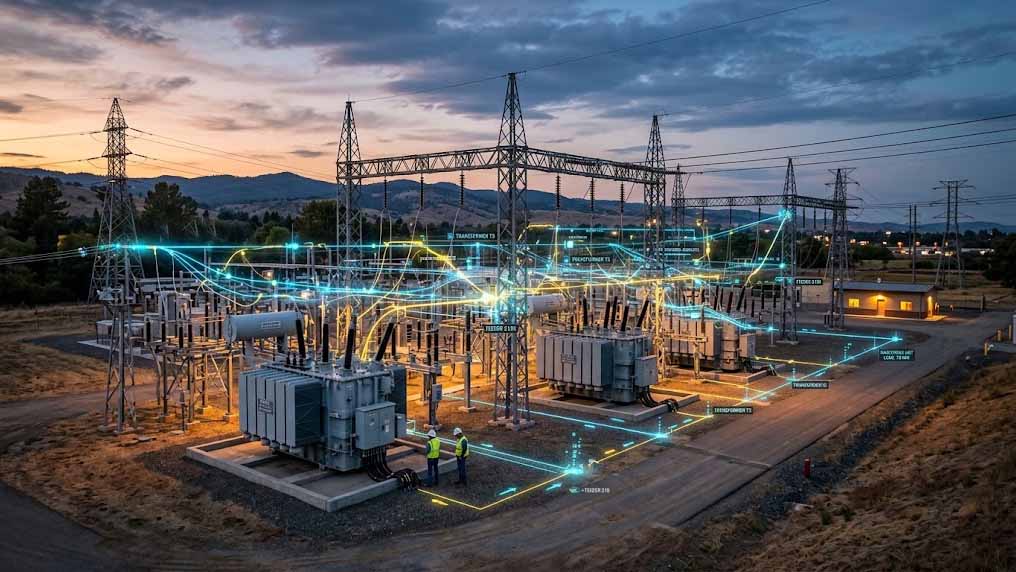
In recent years, power transformer lead times in the American market have lengthened significantly due to persistent global supply chain bottlenecks. Procurement lead times that historically averaged 30 to 50 weeks have extended to 100 weeks or more for specialized high-voltage units. Key factors driving these delays include shortages of electrical steel (CRGO), copper winding materials, specialized insulating fluids, transportation bottlenecks, and manufacturing capacity limits among domestic original equipment manufacturers (OEMs). For U.S. utilities and EPC contractors, extended transformer lead times pose severe operational risks, stalling clean energy interconnection queues and delaying major infrastructure construction.
The global transformer supply chain is highly intricate, where a disruption in raw material processing or ocean freight can cause ripple effects across international energy projects. Within this interconnected ecosystem, Chinese Transformer Manufacturers hold a pivotal and strategic position. China possesses a fully integrated supply chain for electrical manufacturing, encompassing raw material refining, precision winding, automated core assembly, and high-voltage testing facilities. Despite trade tariffs and policy shifts between the U.S. and China, commercial collaboration in the electrical equipment sector remains essential due to the high volume of international grid expansion projects.
To address the surging demand and procurement delays in the U.S. market, Chinese Transformer Manufacturers have proactively adjusted their global operational strategies. Leading Chinese Transformer Manufacturers have expanded their advanced production capacities, invested heavily in automated manufacturing plants, and enhanced R&D programs focused on high-efficiency, eco-friendly transformer designs. These investments allow manufacturers to produce ultra-high-voltage (UHV) power transformers, dry-type transformers, and pad-mounted units that deliver higher efficiency and lower operational losses.
Furthermore, Chinese Transformer Manufacturers place stringent emphasis on international compliance, ensuring their power transformer products rigorously adhere to ANSI, IEEE, NEMA, and UL standards. To mitigate global supply chain bottlenecks, Chinese Transformer Manufacturers have implemented multi-faceted response measures:
Optimized Manufacturing Processes: Implementing lean manufacturing and digital twin engineering to streamline custom transformer designs, reducing factory lead times.
Diversified Raw Material Sourcing: Partnering with international material suppliers to insulate production schedules from localized material shortages.
Enhanced Technical Compliance: Conducting comprehensive factory acceptance testing (FAT) to ensure direct drop-in compatibility with American utility specifications.
Through these measures, Chinese Transformer Manufacturers maintain high international competitiveness, offering reliable supply capabilities that help relieve lead time pressures faced by global grid operators.
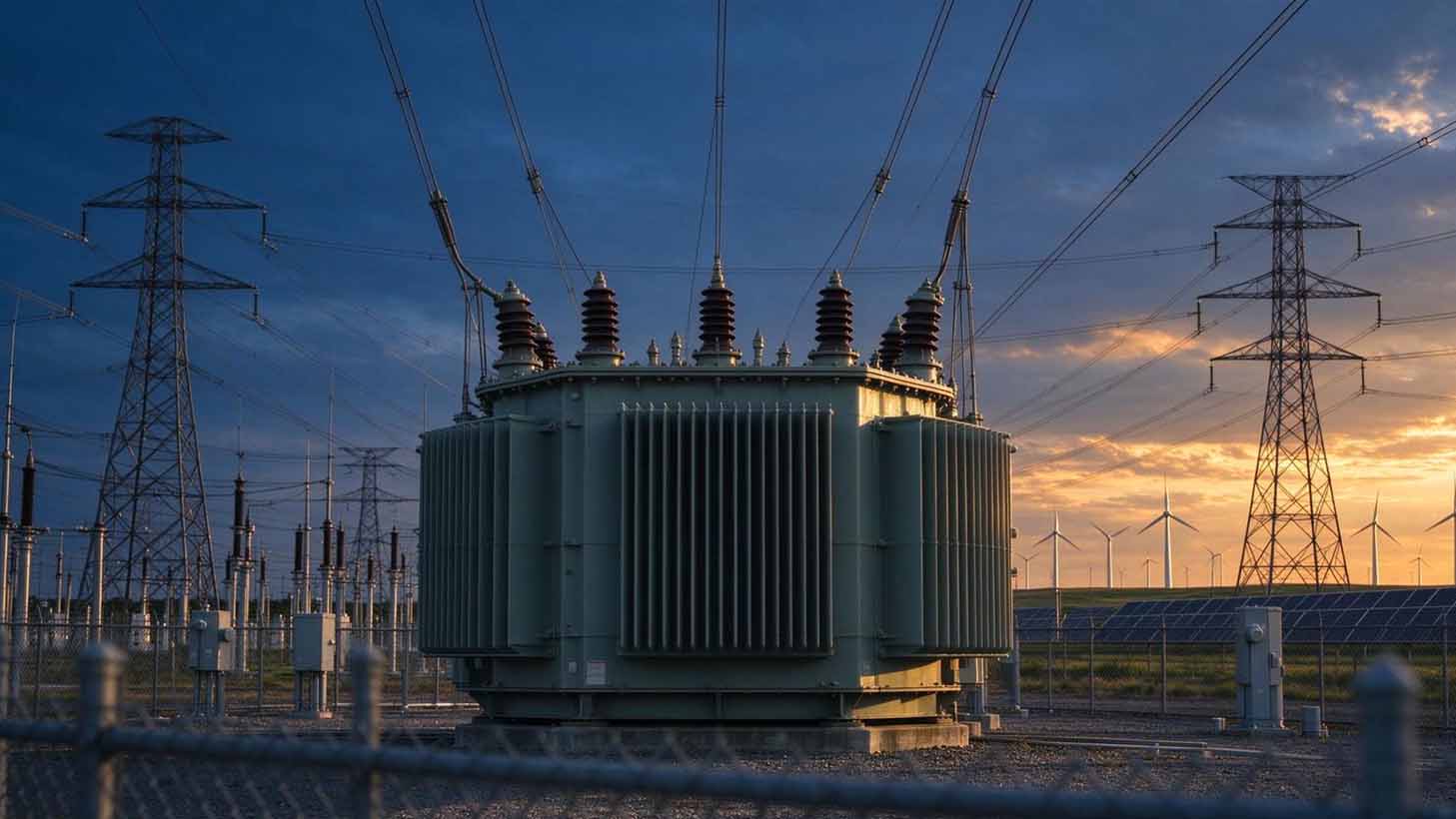
Looking toward the future, the U.S. power transformer market is poised for sustained long-term growth, driven by federal decarbonization goals, grid resilience mandates, and electrification across transport and heavy industry. However, resolving supply chain constraints and lead time volatility remains a shared challenge for utilities, engineering firms, and global equipment vendors.
As an essential pillar of global electrical equipment production, Chinese Transformer Manufacturers will continue playing a crucial role in balancing global power transformer supply and demand. Through continuous technological innovation, strict compliance with international grid standards, and enhanced international industrial cooperation, the global power transformer sector is well-positioned to build a more resilient, efficient, and sustainable power grid for the future.


