

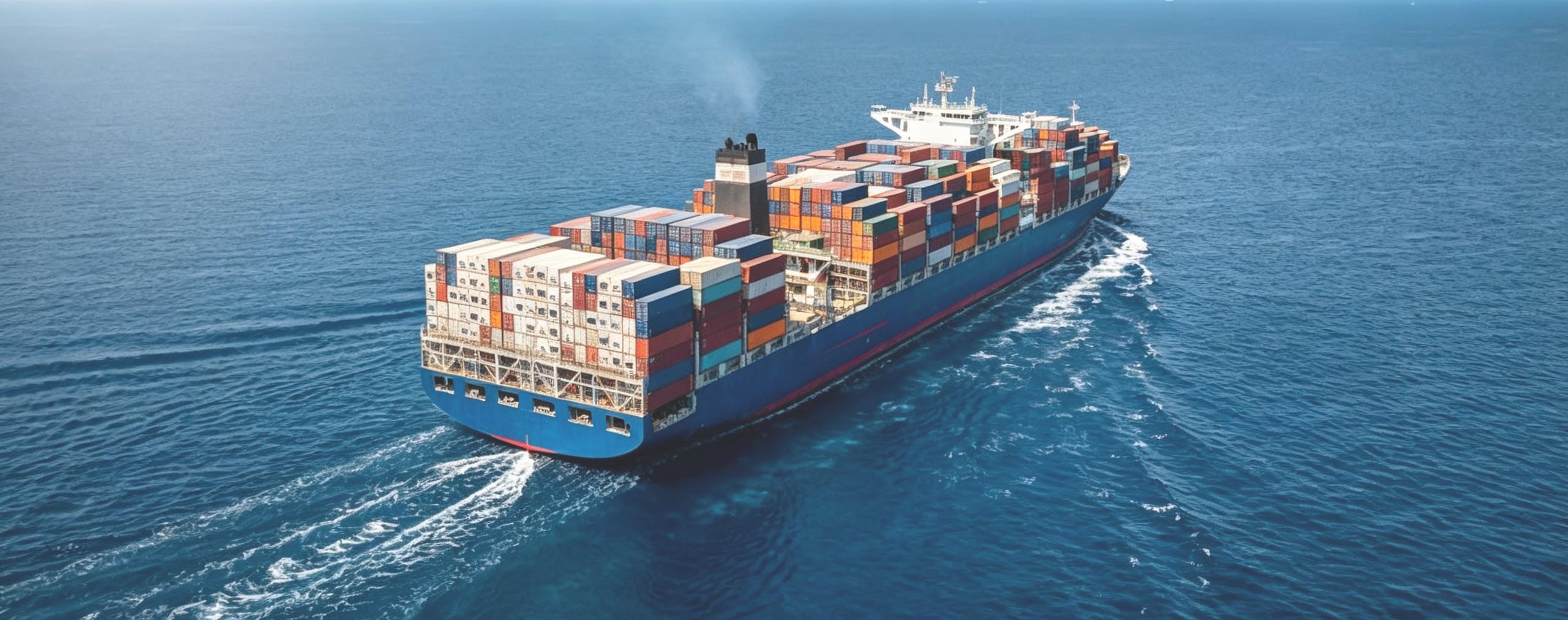
Why Are Dry-Type Transformers a Safer Choice for Shipboard Electrical Systems?
High Fire Safety
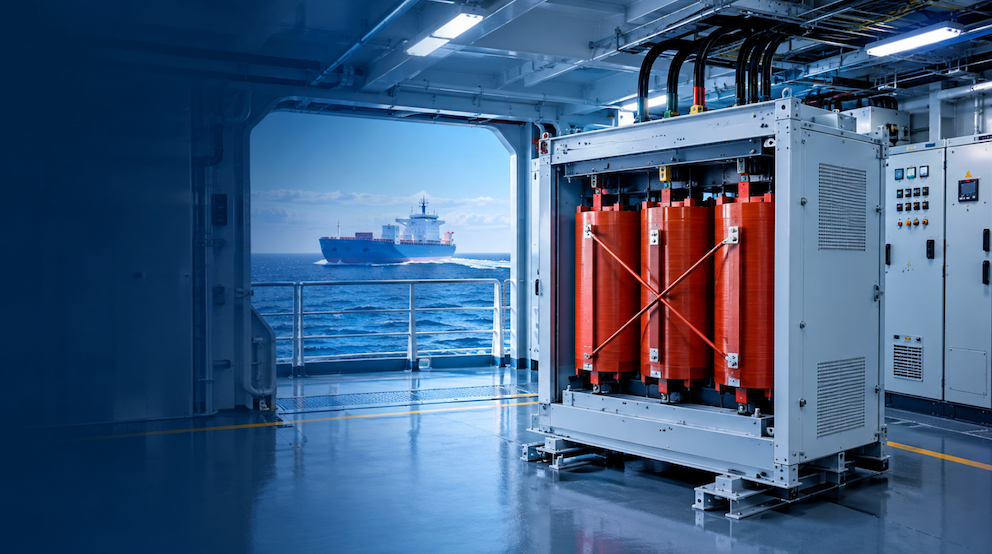
Dry-type transformers use solid insulation instead of liquid insulating oil, eliminating the risk of oil leakage and significantly reducing fire-related hazards associated with liquid-filled transformers. This makes them suitable for enclosed electrical rooms and other safety-critical shipboard locations.
Compact & Space-Efficient Design
Space is a valuable resource on ships and offshore platforms. Compact dry-type transformer designs can be configured to fit restricted electrical rooms while maintaining adequate ventilation, clearances and thermal performance.
High Reliability for Shipboard Power Systems
Marine transformers are required to support continuous and stable power distribution for essential and non-essential shipboard electrical loads. Robust winding structures, insulation systems and mechanical construction help maintain reliable operation under marine service conditions.
Vibration & Marine Environment Resistance
Shipboard electrical equipment can be exposed to continuous vibration, humidity, salt-laden air and temperature variations. Marine dry type transformers can be engineered with reinforced mechanical structures, suitable insulation systems, protective enclosures and corrosion-resistant materials for demanding marine environments.
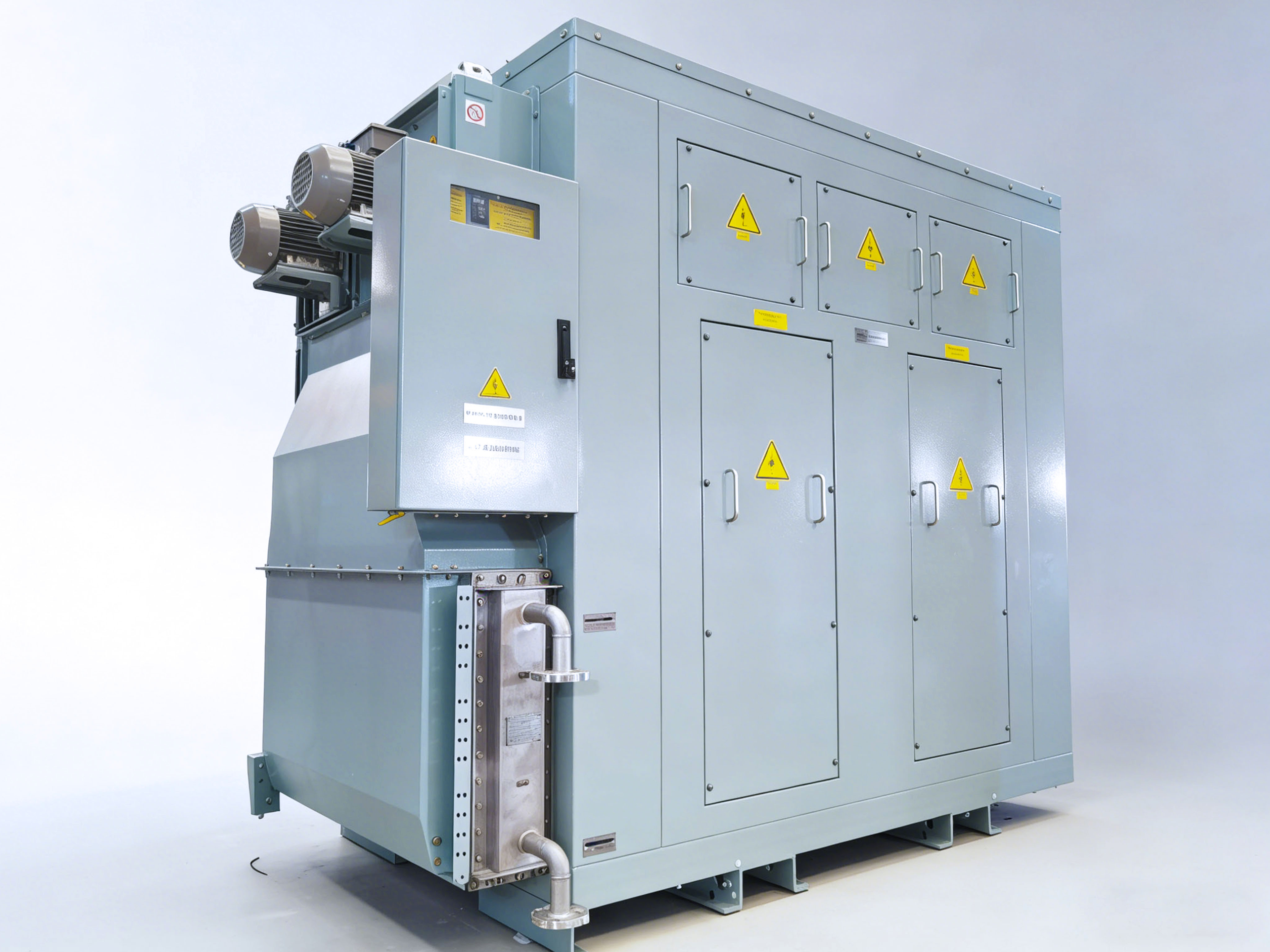
| Product Description | AFWF Dry-type Transformer |
| Rated Capacity | up to 40MVA |
| Phase Number | Three Phase |
| Vector Group | Dy11 |
| Protection Level | IP44 |
| Cooling Method | AF/WF |
| Anti-corrosion Class | C4-H |
| Temperature Rise | Project-specific |
| Installation | Indoor |
| Reference Standards | IEC 60076 |
| Certification | DNV / CCS Certified |
Temperature-Rise Control and Thermal-Margin Design
Pearl Electric’s marine dry-type transformers can be designed with a Class H insulation system rated at 180°C, with hotspot temperature-rise verification based on an ambient temperature of 55°C. Where required, forced-air cooling (AF) can be incorporated to ensure that the transformer maintains sufficient insulation life margin during continuous full-load operation, rather than merely meeting the minimum limits specified by applicable standards.
Anti-Moisture, Anti-Corrosion, and Salt Spray Protection
The windings can be treated with anti-moisture, anti-corrosion, and anti-mildew varnish, together with tropicalized insulation for humid marine environments. Metal parts and enclosures may use hot-dip galvanized steel or stainless steel, depending on project requirements. Sealed, moisture-protected terminals help reduce moisture ingress and condensation risks, protecting the transformer’s insulation system and metal components against prolonged high humidity and salt spray in engine room and deck applications.
Vibration-Resistant Design and Marine Classification Certification
The core and windings are secured with reinforced clamping components and vibration-damping structures. The transformers can be subjected to vibration and shock type testing in accordance with applicable marine classification society requirements. Type approval certificates from major classification societies, such as CCS, DNV, and BV, can be provided where applicable to meet the classification requirements of newbuild and vessel retrofit projects.
Why Choose Pearl Electric Marine Dry Type Tansformer?
Reliable Transformer Manufacturing & Custom Power Solutions
Experienced Transformer Manufacturer
Established in 1958, Pearl Electric specializes in the design, manufacturing, and supply of power and distribution transformers for global utility, industrial, and renewable energy projects.
Quality Assurance & Testing
Backed by a CNAS-accredited laboratory and dedicated testing facilities, Pearl Electric conducts routine, type, and special tests in accordance with applicable international standards.
Custom Engineering & Global Support

FAQ—Common Issues with Marine Dry-Type Transformers
What is the difference between a marine transformer and a standard transformer?
Marine transformers are designed to withstand higher engine room ambient temperatures, typically 45–55°C, persistent salt spray and humidity, as well as vibration and mechanical shock during vessel operation. Compared with conventional dry-type transformers for land-based applications, marine transformers may require enhanced insulation systems, greater temperature-rise margins, protective treatment against moisture and corrosion, and reinforced mechanical structures. Depending on the vessel application and project requirements, they may also be subject to marine classification society type testing and certification.
What Marine Classification Certifications Are Required for Marine Transformers?
How Should the Insulation Class of Marine Dry-Type Transformers Be Selected?
How Do Marine Transformers Withstand Salt Spray and Humid Environments?


